
Alasdair Macleod: Geopolitical Moves – The True Gold Reserves of China, Russia, and the USA
Tom welcomes Alasdair Macleod, Head of Research for GoldMoney and author of the Macleod Finance Substack to discuss the current state of the financial system and the potential implications of recent liquidity strains. He notes that the Federal Reserve’s Repo facility has been used to manage liquidity issues, which he attributes to quantitative tightening and the US Treasury’s significant reliance on T-bills for financing.
Macleod predicts that the Fed will continue to ease monetary policy, potentially leading to more quantitative easing, which could debase the currency and drive up inflation. Macleod compared the current situation to the Weimar Republic’s hyperinflation, noting similarities in political pressures and public responses to currency devaluation. He warned that the US, like Weimar Germany, could face a credit bubble burst, leading to a significant decline in the dollar’s purchasing power and a potential run on banks. However, he does not expect bail-ins to occur, as they would likely cause a bank run. Instead, he anticipates that regional banks may fail, but deposit holders will be protected, leading to further consolidation in the banking sector.
Alasdair also discusses the role of gold in the current financial system, noting that the LBMA’s annual meeting forecasts a significant increase in gold prices by 2026. He suggests that the establishment understands the potential for supply difficulties in the physical gold market and that the recent pullback in metals prices may not alleviate delivery issues in London. Macleod also highlights China’s significant gold holdings and its efforts to insulate itself from US economic policies, including the potential for a gold-backed Yuan. He also mentions Russia’s increasing gold holdings and production.
Macleod concludes by expressing concern about the valuation disparity between equities and bonds, which he believes is more stretched than ever in history. He predicts that when the credit bubble bursts, it will lead to a rapid decline in the current financial system.
Guest
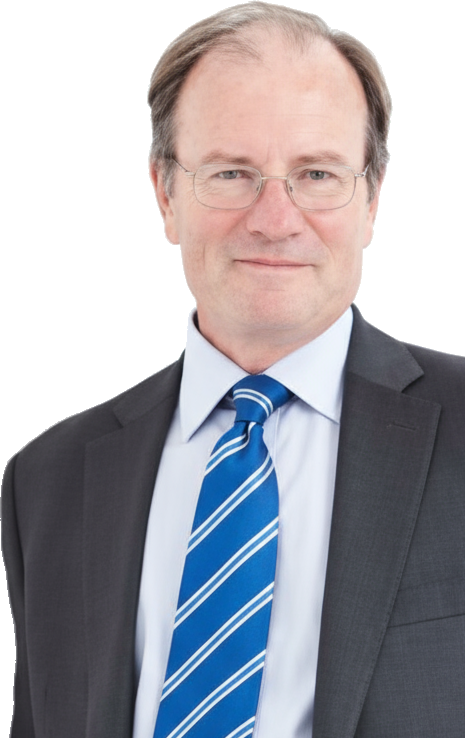
Alasdair Macleod
Head of Research for GoldMoney & Author of the Macleod Finance Substack
Alasdair Macleod is Head of Research for GoldMoney. He is an educator and advocates for sound money thru demystifying finance and economics. His background includes being a stockbroker, banker, and economist.
Alasdair started his career as a stockbroker in 1970 on the London Stock Exchange. Within nine years, he had risen to become senior partner of his firm.
Subsequently, he held positions at the director level in investment management and worked as a mutual fund manager. Mr. Macleod also worked at a bank in Guernsey as an executive director.
For most of his 40 years in the finance industry, he has been demystifying macro-economic events for his investing clients. The accumulation of this experience has convinced him that unsound monetary policies are the most destructive weapon governments use against the common man. Accordingly, his mission is to educate and inform the public in layman's terms what governments do with money and how to protect themselves from the consequences.